Overview of Competitive Swimming Nutrition
Competitive swimmers require a balanced diet: 2 g/kg/day protein‚ 20‑25 % of calories from fat on high‑intensity days and 30‑35 % on high‑volume days. Carbohydrate loading (≈65 % of calories) refills glycogen‚ while a structured hydration plan before‚ during‚ and after training supports performance
Importance of Nutrition for Performance
In competitive swimming‚ nutrition is the cornerstone of performance‚ recovery‚ and overall well‑being. Adequate intake of macronutrients fuels training‚ rebuilds muscle tissue‚ and restores energy stores after intense sessions. Balanced carbohydrate consumption replenishes glycogen‚ while protein supports muscle repair and adaptation. Healthy fats contribute to metabolic function and joint health. Proper hydration before‚ during‚ and after training maintains thermoregulation and prevents fatigue. Thoughtful use of supplements can aid recovery‚ reduce inflammation‚ and enhance endurance when applied correctly. Micronutrients such as iron‚ calcium‚ and vitamin D are vital for oxygen transport‚ bone integrity‚ and metabolic efficiency. Timing of nutrient intake around workouts maximizes glycogen resynthesis and protein synthesis‚ leading to quicker recovery and improved subsequent performance. Consistent adherence to a periodized nutrition plan aligns with training cycles‚ helping athletes maintain optimal body composition while avoiding overtraining. Nutrition also supports mental focus and emotional resilience during high‑pressure competitions‚ ensuring athletes can perform at their best when it matters most. By integrating a variety of whole foods—fruits‚ vegetables‚ whole grains‚ lean proteins‚ and healthy fats—athletes create a nutrient‑dense diet that supports sustained energy release‚ immune function‚ and contributes to peak performance over the season‚ during training.
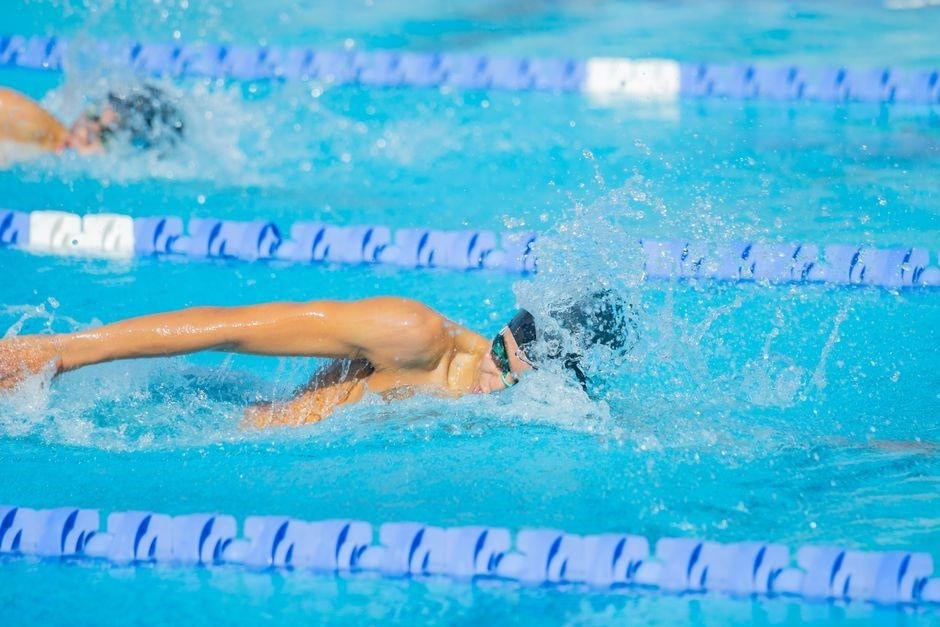
Macronutrient Distribution
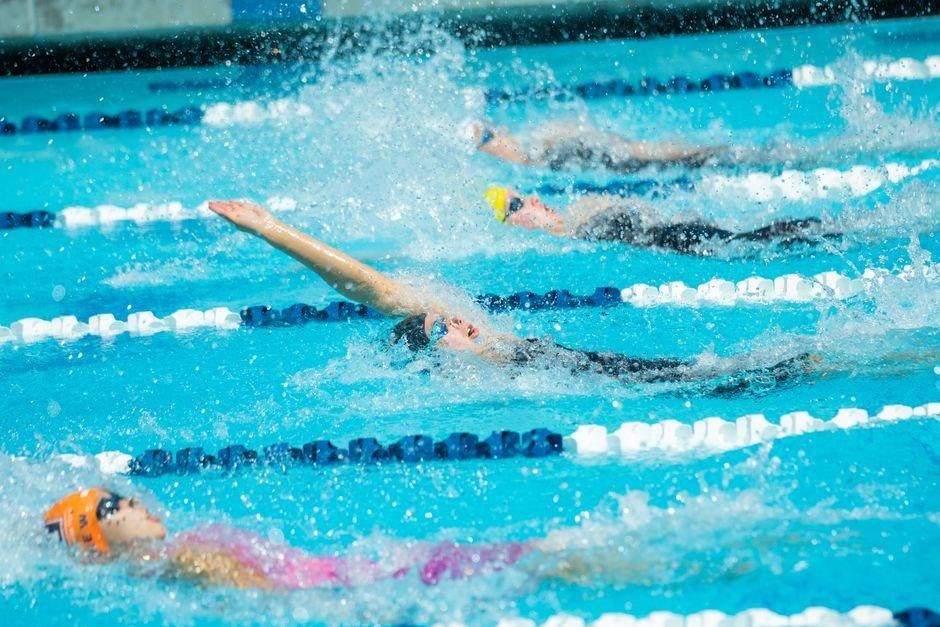
Competitive swimmers need a macronutrient split: 45‑55 % carbs for glycogen‚ 15‑20 % protein (≈2 g/kg/day) for muscle repair‚ and 25‑30 % fat to support energy and hormone balance. Adjust ratios based on training load and body goals. This balance supports peak performance and efficient recovery!
Protein Requirements and Sources
Competitive swimmers must consume approximately 2 g of protein per kilogram of body weight each day to support muscle repair‚ growth‚ and glycogen‑sparing mechanisms. This intake should be distributed across 4–6 meals‚ ensuring a steady supply of essential amino acids throughout training and recovery periods. High‑quality animal proteins such as lean poultry‚ fish‚ eggs‚ and dairy provide all nine essential amino acids and a high biological value. Plant proteins—whey‚ soy‚ pea‚ and quinoa—are excellent alternatives‚ especially when combined to create a complete amino‑acid profile. Incorporating protein‑rich snacks‚ like Greek yogurt‚ cottage cheese‚ or a protein shake‚ helps meet daily targets without excessive caloric load. Timing is critical; a 20–30 g protein dose within 30 minutes post‑exercise maximizes muscle protein synthesis. For swimmers on a calorie‑restricted taper‚ protein density becomes even more important‚ so choosing nutrient‑dense sources such as salmon‚ turkey breast‚ and legumes can help maintain lean mass while reducing overall energy intake.
Strategic protein timing‚ such as consuming a 20–30 g whey shake within 30 minutes of the last training session and a protein‑rich dinner within 2 hours before bed‚ promotes optimal muscle recovery and glycogen replenishment. Additionally‚ incorporating plant‑based proteins like lentils‚ chickpeas‚ and tofu into meals ensures a diverse amino‑acid profile while keeping total caloric intake in check during taper periods. These tactics boost recovery daily!
Carbohydrate Loading Strategies
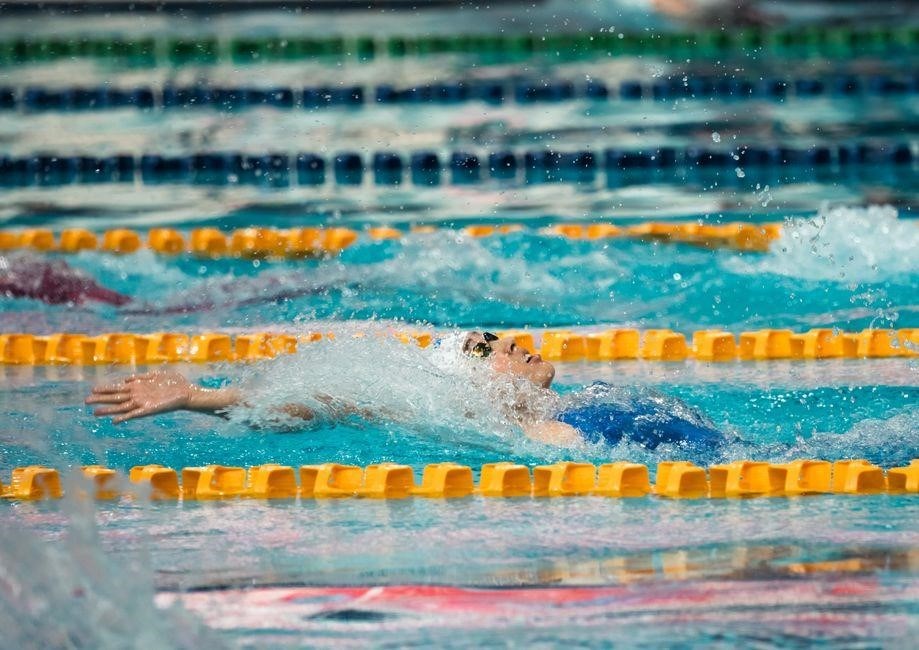
Swimmers load carbs by increasing intake to 7–10 g/kg/day for 24 h before key events‚ focusing on complex sources like rice‚ pasta‚ and oats. Timing 2–3 h pre‑race‚ a 30‑min gel or banana‚ keeps glycogen high and performance steady. Optimal timing boosts power!
Timing and Types of Carbohydrates
Competitive swimmers rely on precise carbohydrate timing to maximize glycogen stores and sustain race pace. The strategy begins 48 h before a meet‚ gradually increasing complex carbs—whole‑grain pasta‚ brown rice‚ oats—to 7–10 g kg⁻¹ day⁻¹. During the final 24 h‚ simple sugars (fruit juices‚ sports drinks) replace a portion of the load to enhance absorption. Pre‑race meals are consumed 2–3 h before the first heat‚ featuring easily digestible carbs such as bagels‚ bananas‚ or energy bars‚ paired with a small protein source to stabilize blood glucose. A 15‑minute pre‑heat snack—gel or a slice of bread with honey—provides a quick glucose burst without gastrointestinal distress. During multi‑heat meets‚ athletes replenish every 30–45 min with carbohydrate drinks (8–12 % concentration) or gels‚ ensuring a steady supply of glucose to the working muscles. Post‑race recovery focuses on high‑glycemic foods (white rice‚ potatoes‚ fruit) combined with protein to initiate glycogen resynthesis and muscle repair. Hydration with electrolyte‑rich fluids complements carbohydrate intake‚ preventing cramps and maintaining performance. The carbohydrate drinks should contain 6–8 % sugar concentration to balance absorption and minimize gastrointestinal upset. Post‑heat snacks should include a 1:1 ratio of carbohydrate to protein within 30 min to accelerate recovery. Long‑term training periods require a gradual shift from high‑glycemic to moderate‑glycemic foods to maintain metabolic flexibility. Evidence shows carbohydrate timing directly influences race outcomes.
Fat Intake Guidelines for Training Phases
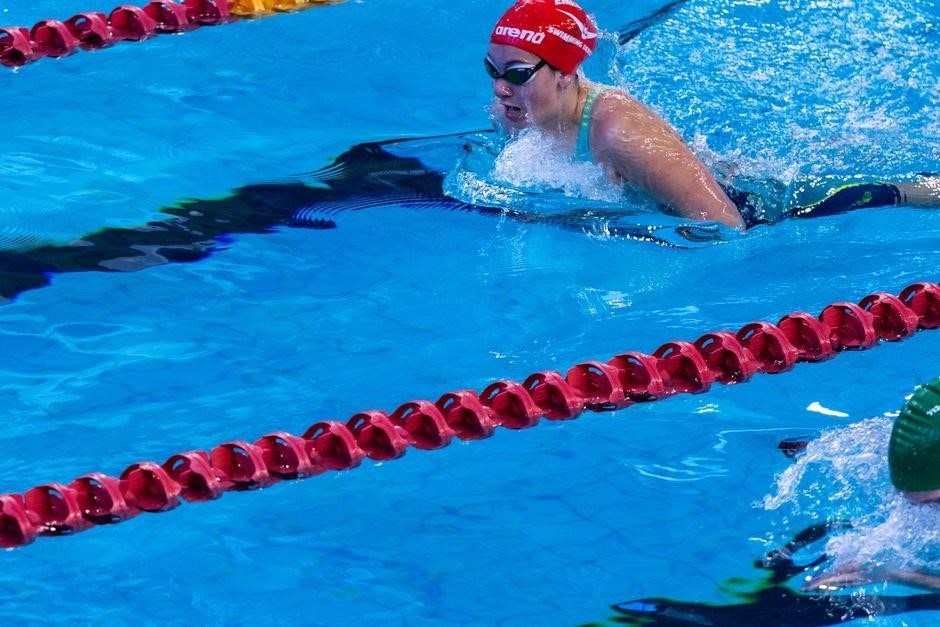
On high‑intensity days‚ consume 20‑25 % of daily calories from fat‚ focusing on unsaturated sources like olive oil‚ nuts‚ and fatty fish. On high‑volume‚ low‑intensity days‚ increase to 30‑35 % to support endurance and recovery. Boost race pace.!
High-Intensity vs. High-Volume Days
On high‑intensity training days‚ swimmers should aim for 20‑25 % of total energy from fat‚ focusing on monounsaturated and polyunsaturated sources such as olive oil‚ avocado‚ and nuts. These fats support rapid energy turnover‚ reduce inflammation‚ and limit digestive delays that could impair performance. On high‑volume‚ low‑intensity days‚ fat intake can safely rise to 30‑35 % of calories‚ providing a steady fuel source that complements prolonged aerobic effort‚ preserves glycogen‚ supports hormonal balance‚ and aids recovery. Practical meal planning might involve a pre‑session oatmeal bowl with almond butter for volume days‚ while a lean protein shake with a splash of coconut oil suits intensity days. Post‑training recovery meals should emphasize protein and moderate fat‚ ensuring optimal muscle repair without excessive caloric load. Coaches and nutritionists should monitor body composition‚ performance metrics‚ and subjective fatigue to fine‑tune fat percentages‚ recognizing that individual tolerance and training load dictate the precise balance needed for peak performance.
- Intensity days: 20‑25 % fat‚ focus on monounsaturated fats.
- Volume days: 30‑35 % fat‚ include omega‑3 sources.
- Timing: pre‑workout 30‑60 min‚ post‑workout 2‑3 h window.
- Hydration: maintain electrolyte balance with low‑fat drinks;
Athletes should also track sleep quality and adjust fat intake accordingly; a slight increase may aid recovery‚ while a reduction can improve glycogen storage for sprint events. OK!!!
Hydration Protocols
Swimmers must hydrate 2–3 L water per day‚ adding electrolytes before sessions. During training‚ sip 200 ml every 15 min; after‚ replenish 1.5 L within 30 min. Monitoring urine color and sweat loss guides adjustments‚ ensuring optimal performance and recovery. Adequate hydration improves performance. OK
Pre‚ During‚ and Post-Training Hydration
Before each session‚ swimmers should consume 500 ml of water or an electrolyte‑enhanced beverage 30 min prior‚ ensuring plasma volume optimized. During training‚ a 200‑ml sip every 15 min maintains hydration without over‑loading the stomach; the fluid should contain 0.5 % sodium and 0.1 % potassium to replace sweat losses. For sessions exceeding 90 min‚ a carbohydrate‑electrolyte drink (6–8 % carb) is recommended to sustain glycogen and electrolyte balance. After training‚ athletes must rehydrate within 30 min‚ targeting 1.5 L of fluid for every kilogram of body mass lost‚ with a 0.3 % sodium concentration to restore extracellular fluid. Monitoring urine color (light yellow) and body weight changes provides real‑time feedback. Consistent hydration protocols reduce fatigue‚ improve recovery‚ and enhance overall performance. To personalize hydration‚ athletes calculate sweat rate by weighing before and after a 30‑minute swim‚ adjusting fluid intake accordingly. A typical guideline is 1.5 L per kilogram of sweat loss‚ with 0.3 % sodium to match plasma levels. During longer meets‚ a 1:1 carbohydrate‑electrolyte solution (6–8 % carb‚ 0.3 % sodium) aids in maintaining glycogen and preventing cramps. Post‑training‚ a recovery drink containing 3 g protein per 100 ml and 1.5 % carbohydrate supports muscle repair while re‑establishing fluid balance. Consistent monitoring of urine color‚ body mass‚ and perceived thirst ensures optimal hydration status throughout the competitive season daily.!!
Supplementation and Dosage
Athletes may use whey protein (0.25 g/kg) post‑workout‚ creatine monohydrate (5 g/day) for strength‚ and beta‑alanine (2 g) before high‑intensity sessions. Electrolyte tablets (Na + K) replace sweat losses‚ while vitamin D and omega‑3 support recovery daily plus!
Performance-Enhancing Supplements
Competitive swimmers often incorporate a targeted supplement stack to maximize training adaptations and race readiness. Key products include whey protein isolate‚ which delivers 20–25 g of high‑bioavailability protein within 30 minutes post‑session‚ supporting muscle repair and hypertrophy. Creatine monohydrate (5 g/day) improves power output during repeated sprint sets and elevates phosphocreatine stores‚ while beta‑alanine (2 g) buffers intramuscular lactate‚ extending high‑intensity effort. For endurance‚ branched‑chain amino acids (BCAA) at 5–10 g before or during long sessions can reduce central fatigue and preserve glycogen. Electrolyte‑rich sports drinks replenish sodium‚ potassium‚ and magnesium lost through sweat‚ maintaining neuromuscular function. Omega‑3 fatty acids (EPA/DHA 1–2 g/day) reduce inflammation and improve joint health‚ essential for high‑volume training. Vitamin D supplementation (800–2000 IU/day) supports bone density and immune resilience‚ especially in indoor pools with limited sunlight. A pre‑race carbohydrate gel (30–40 g) taken 30 minutes before competition provides an immediate glucose source‚ preventing hypoglycemia during multi‑heat meets. Finally‚ caffeine (3–6 mg/kg) ingested 30–60 minutes prior to performance can enhance alertness and perceived effort‚ but must be individualized to avoid gastrointestinal distress. A well‑structured supplement protocol‚ aligned with training phases and individualized needs‚ can elevate performance‚ accelerate recovery‚ and sustain long‑term athletic development. By integrating these supplements strategically‚ swimmers can enhance glycogen storage‚ reduce muscle soreness‚ improve recovery speed‚ and maintain optimal performance across training cycles‚ ultimately translating to faster times and higher competitive rankings. Additionally‚ individualized dosing based on body weight‚ training load‚ and metabolic response ensures safety and maximizes benefit. This evidence‑based approach aligns nutrition with physiological demands‚ fostering resilience and peak performance.
Sample PDF Diet Plan
Sample PDF diet plan: Monday breakfast eggs & bacon‚ veggies‚ berries; lunch turkey sandwich‚ fruit; dinner grilled salmon‚ quinoa‚ steamed broccoli. Snacks: Greek yogurt‚ nuts. Hydration: water‚ electrolytes. Adjust portions to 2 g/kg protein‚ 65 % carbs‚ 20‑25 % fat. Daily multivitamin. +5g.
Weekly Meal Template
Use this 7‑day PDF‑ready plan to meet 2 g/kg protein‚ 65 % carbs‚ 20‑25 % fat on high‑intensity days. Each day includes breakfast‚ lunch‚ dinner‚ two snacks‚ and a hydration schedule. Adjust portions for body weight and training load.
- Mon: B 3 eggs; L sandwich; D salmon‚ quinoa.
- Tues: B oatmeal; L stir‑fry; D beef‚ potato.
- Wed: B shake; L salad; D cod‚ couscous.
- Thurs: B eggs; L soup; D turkey‚ squash.
- Fri: B yogurt; L shrimp; D pork‚ peas.
- Sat: B pancakes; L wrap; D chicken‚ Brussels.
- Sun: B eggs; L salad; D steak‚ spinach.
Hydration: 500 ml water 30 min pre‑training; 250 ml every 15 min during; 500 ml post‑training + electrolytes. Adjust volume to sweat rate.
Track intake with a mobile app or spreadsheet to ensure macro goals are met. Re‑evaluate weekly and adjust calories for training intensity or tapering periods.
Snack options: nuts‚ fruit‚ protein bars‚ Greek yogurt‚ energy gels‚ or homemade smoothies; Choose low‑sugar‚ high‑protein items to support recovery.
For international competitions‚ consider a portable meal kit with dehydrated options to reduce weight.
Adjust portion
